


Complete Amritsar Travel Guide: Golden Temple, Heritage & Culinary Treasures
Your guide to Punjab’s spiritual and cultural heart | Updated 2026
You’re about to visit one of India’s most spiritually charged, historically significant, and gastronomically unforgettable cities. This Amritsar travel guide covers everything you need to know: the major attractions, why they matter, what to expect, and where to eat like you actually belong here. For comprehensive travel planning, Lonely Planet’s Amritsar guide complements this with additional logistics and insights.
Whether you’re staying 2 days or a week, this guide shows you what exists in Amritsar and how to experience it authentically—without forcing you into a rigid schedule.
The Spiritual Heart: Religious Sites & Temples
The Golden Temple (Harmandir Sahib)
What it is: The holiest shrine in Sikhism, with construction beginning in 1581 and completed in 1604. The Golden Temple isn’t just a building—it’s a living, breathing center of faith where 100,000+ people visit daily. The iconic golden exterior (covered in 750 kg of gold leaf) reflects in the Sarovar (sacred pool), creating one of the world’s most visually striking religious sites.
Why it matters: The Harmandir Sahib welcomes visitors of ALL faiths, free of charge, with equal warmth and respect. There’s no hierarchy, no special treatment for certain religions. It represents principles of equality and spiritual openness that are rare globally. Around it, volunteers serve langar (free community meals) to thousands daily—anyone, anywhere, eating together.
What you’ll experience: Pilgrims circumambulating the temple, devotees bathing in the holy water, the rhythmic sound of prayers from the sanctum, the Akal Takht (highest Sikh authority seat) adjacent to the temple. The energy changes throughout the day—early morning feels meditative, midday is international pilgrimage energy, evening is ceremonial and calm.
Practical details: Open 24 hours (best visited early morning or evening). Remove shoes at designated areas. Cover your head (scarves provided at entrance). No photography inside the sanctum. Sit by the Sarovar for 20 minutes. Participate in langar if you can—it’s the experience that defines the temple.
The Golden Temple isn’t something you “tick off”—it’s something you sit with, feel, and slowly understand.
Durgiana Temple
What it is: A Hindu temple dedicated to Goddess Durga, with origins in the 16th century and rebuilt in its present form in 1921. It’s architecturally similar to the Golden Temple (golden dome, marble interiors, Sarovar), which is intentional—it mirrors Sikh architecture to show spiritual and architectural parallels between the two traditions.
Why visit: Unlike the Golden Temple’s massive crowds, Durgiana Temple offers a more intimate spiritual experience. It’s where Hindu pilgrims bathe in the sacred pool, perform rituals, and meditate. Visiting both temples shows you the multi-faith spiritual ecosystem of Amritsar—two religions, two temples, same city, same spiritual dedication.
What you’ll see: Intricate carvings, the sacred Sarovar where pilgrims bathe, peaceful courtyards, and an atmosphere of quiet devotion. The golden dome glows beautifully, especially in late afternoon light.
Practical details: Open sunrise to sunset. No entry fee. Modest dress required. Shoes removed at entrance (lockers available). Significantly less crowded than Golden Temple, making it ideal for quieter reflection.
Ram Tirath Temple
What it is: An ancient Hindu pilgrimage site located about 11 km from Amritsar, believed to be the ashram of Sage Valmiki—the author of the Ramayana. According to tradition, this is where Sita lived in exile and where Lord Ram’s twin sons Luv and Kush were born.
Why visit: Ram Tirath offers a peaceful, unhurried spiritual atmosphere far from Amritsar’s crowds. A sacred pond, old temples, and quiet ghats make it a calming contrast to the city’s intensity. It holds deep significance for Hindu pilgrims, especially during the annual Ram Tirath Mela fair held in November.
Practical details: Open daily, sunrise to sunset. No entry fee. Easy to reach by auto-rickshaw or taxi. Best visited in the early morning for a calm experience.
History You Should Know
Jallianwala Bagh
In 1919, British soldiers opened fire on thousands of unarmed Indians gathered in this garden. Over 1,000 people were killed. The bullet holes are still visible on the walls. A well where people jumped to escape is still there. Coming here isn’t about sightseeing—it’s about understanding what people went through for India’s freedom.
Practical details: Museum inside. English-speaking guides available. Most moving in early morning or late evening when quieter. Spend at least 1.5 hours.
Partition Museum
In 1947, when British India split into India and Pakistan, Punjab was divided right down the middle. Amritsar was at the center of it. Millions of families lost their homes overnight. Hundreds of thousands were killed. This museum tells those stories through personal letters, photographs, and real accounts from survivors. It’s difficult to see—and it should be.
Practical details: Closed Mondays. Entry fee nominal. Audio guides available in English. Plan 1.5-2 hours minimum. Emotionally intense—take breaks if you need them.
Wagah Border & Beating Retreat Ceremony
Every evening at the India-Pakistan border, soldiers from both sides march out in an elaborate ceremony—high kicks, aggressive posturing, gate-slamming. Then the gates open and the soldiers shake hands. It’s theatrical, intense, and oddly moving. In about 15 minutes it captures the entire India-Pakistan relationship: rivalry and respect, all at once.
Practical details: Ceremony happens daily (afternoon timing varies by season). Arrive early for good seating. Security checks required. Bring water—lots of standing in open areas.
The Culinary Soul: Food That Defines Amritsar
Amritsar’s food culture is legendary. But when locals tell you where to eat in Amritsar, one name always comes up.
Kesar Da Dhaba: Over 100 Years Of Great Taste
When people ask about eating in Amritsar, the answer is almost always the same: Kesar Da Dhaba. Not because other restaurants don’t exist, but because nothing else comes close to its legacy and authenticity. Travelers consistently rate it as one of India’s most authentic dining experiences.
Founded in 1916 and relocated to Amritsar after Partition in 1947, Kesar Da Dhaba sits in a narrow lane in Chowk Passian—a 10-minute walk from the Golden Temple. No gimmicks. No fusion. No décor strategy. Just over a century of vegetarian Punjabi cooking executed with absolute conviction.
Jawaharlal Nehru ate here. Indira Gandhi ate here. Filmmaker Yash Chopra, actor Rajesh Khanna, and even Anthony Bourdain sat in these chairs and ate. The food is that serious.
The Dishes That Built the Legacy
- Dal Fry
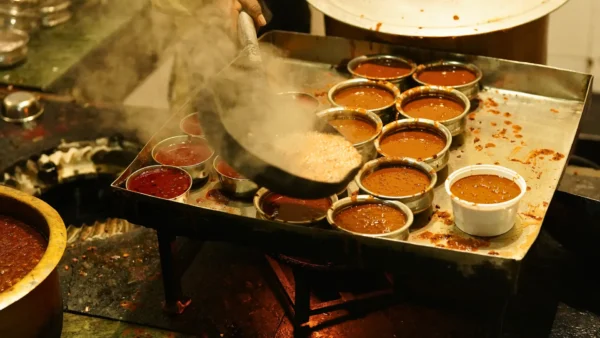
Overnight cooked, smoky, aromatic, rich with ghee. Pure comfort food.
- Special Thali
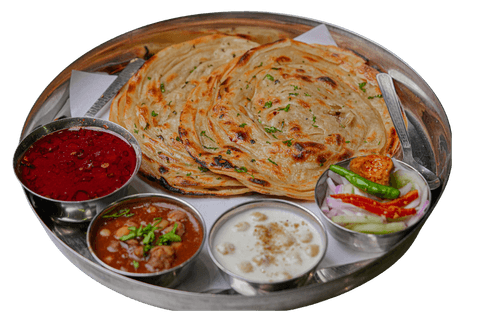
Complete meal: paranthas, dal fry, chana, raita. Full Kesar kitchen in one sitting.
- Palak Paneer
Bold spinach gravy with soft paneer. Confident, never aggressive spicing.
- Stuffed Paranthas
Crispy, hot, with white butter melting in. Aloo and gobi varieties.
- Rajma Masala
Creamy kidney beans, perfectly spiced. Underrated gem worth ordering.
- Phirni
Earthen bowl dessert, cardamom fragrant. The perfect meal finish.
Location: Chowk Passian, Hathi Gate (10-minute walk from Golden Temple via narrow lanes—ask locals if you get lost)
Sit at Kesar Da Dhaba with a bowl of dal fry, a hot parantha on the side, surrounded by the sounds and smells of Old Amritsar—and you’ll understand why this place has been feeding the city for over a century. It’s not just food. It’s the taste of Amritsar itself.
Culture, Craft & Local Life
Old City Markets & Shopping
- Hall Bazaar: The older, more authentic shopping district. Crowded, narrow lanes, local energy. Chaotic but authentic.
- Katra Jaimal Singh: A bustling wholesale and retail shopping district located in the old city of Amritsar. Traditional handlooms, block printing, and phulkari (embroidered Punjabi textiles). Watch artisans work. Bargain is expected and enjoyable. These are handmade pieces, not mass-produced.
- Phulkari Chunni: The most iconic Punjabi textile. Phulkari means “flower work”—intricate hand-embroidery stitched onto fabric in vivid colours, traditionally done by women for their daughters’ weddings. A genuine phulkari chunni from Amritsar’s old bazaars is one of the most meaningful things you can bring home. Look for dense, even stitching and ask about the origin.
- Punjabi Jutti: Handcrafted leather footwear with embroidered or embellished tops, curled upward at the toe. Every pair is made by hand. Styles range from simple and elegant to heavily embroidered in gold thread. You’ll find them throughout the old city markets—prices vary hugely, so compare before buying.
- The Turban: The Sikh turban (dastar) is not just clothing—it is a statement of identity, honour, and faith. If you get the chance to watch a turban being tied, or even participate in a turban-tying experience offered near the Golden Temple, take it. The different colours carry different meanings, and the craft of tying one correctly takes years of practice.
Beyond the City
- Harike Wetland Sanctuary (30 km away): A wetland sanctuary hosting over 400 bird species, especially during migration season (November-March). Migratory birds from Siberia and Central Asia rest here. It’s a complete contrast to spiritual intensity—nature and wildlife instead of crowds and temples.
- Local Villages (30-50 km away): Hire a local guide and explore authentic Punjabi village life. Agricultural landscapes, farming families, rural Punjab. Completely different perspective from city Amritsar.
Before You Go
How to Reach Amritsar
- By Air: Amritsar airport connects to Delhi, Mumbai, and major cities. 20-30 minutes to Old City by taxi or auto.
- By Train: Amritsar Junction is central and well-connected. Trains run from Delhi, Chandigarh, and other northern cities. The Old City is a 10-minute walk from the station.
- By Road: Well-connected via buses. Delhi to Amritsar is well-served by road.
Getting Around & How Long to Stay
Auto-rickshaws are the easiest and cheapest way to move around—negotiate fares before you get in. Walk whenever possible; the narrow lanes of the Old City hide some of the best shops and moments. Rent a bicycle or scooter if you want to explore independently.
Two to three days covers the main experiences. A full week lets you explore at your own pace and visit places outside the city. There’s no perfect duration—stay as long as you can and move at your own rhythm.
The Real Amritsar Travel Guide
Amritsar isn’t a destination you check off a list. It’s a place that changes you. The spiritual tranquility of the Golden Temple, the historical weight of Jallianwala Bagh, the warmth of its people, and the explosion of flavors in its food create an experience that’s deeply human and profoundly meaningful.
Some people come back for the spiritual experience. Others for history. Many return specifically for the food—memories of a perfect dal fry at Kesar Da Dhaba that they can’t replicate anywhere else.
This Amritsar travel guide shows you what exists here. But how you experience it is yours to decide. Want to spend a whole day at the Golden Temple? Do it. Want to skip the Partition Museum and focus on food and markets? That’s valid too. Want to arrive and wander without a plan? The city rewards that approach.
Walk the narrow lanes. Talk to locals. Sit quietly sometimes. Eat with your hands. Watch sunrise over the Sarovar. Participate in langar. Bargain in bazaars. Taste dal that’s been cooking for 12 hours. Remember that travel isn’t about completing an itinerary—it’s about connection.
Go with respect, curiosity, and an appetite. Amritsar is waiting.